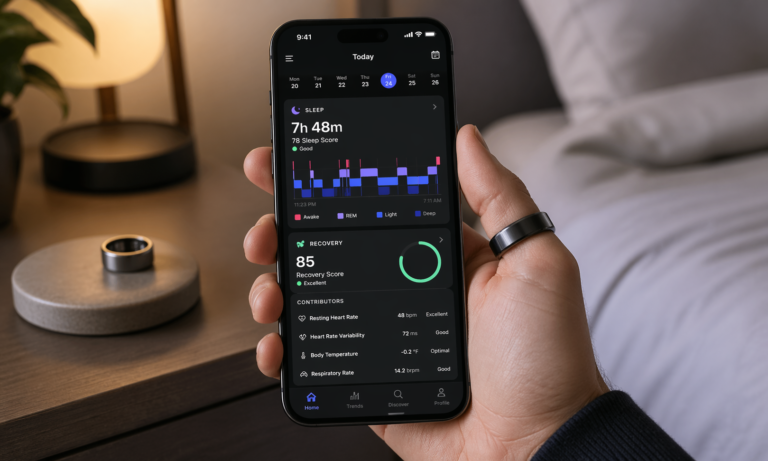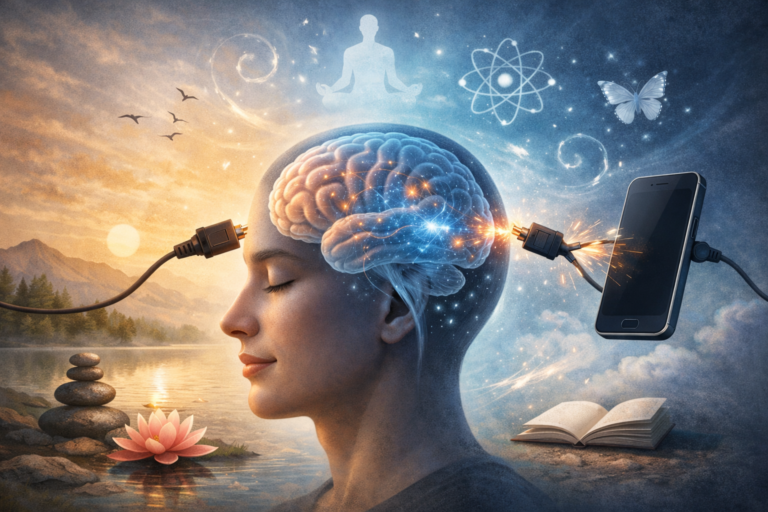
Artificial intelligence in 2026 is not a far-fetched idea anymore. It is now a crucial instrument of efficient productivity and the development of growth-mindedness. Through behavior modeling, power use, and preference, AI solutions can assist one to streamline tasks, stay focused, and create good habits. The smart automation, habit tracker, and tailored insights will minimize brain clutter, help individuals work smarter, accomplish more, and be motivated in a hectic world.
Evolution of AI in Personal Productivity.
AI has gone beyond the automation software and is now a smart assistant that offers real-time feedback, streamlines processes, and offers recommending input. The first AI merely provided a schedule or a reminder, whereas the current AI monitors the habits, energy, and focus patterns to recommend improvements that can be taken. This development enables them to save time as well as to make decisions and think better to foster long term development.
Why Mindset Matters
The attitude to life should be positive and strong to reach personal and professional objectives. An AI helps to develop mindset, through habits monitoring, thought patterns analysis, and providing ways to keep motivated. Emphasizing ineffective habits, as well as supporting good habits, AI assists people in adopting a growth strategy, thus being able to overcome the difficulties and achieve long-term success with ease.
The role of AI in Time Management.
AI is a guarantee that time is used effectively, as it is a limited resource. Smart schedule applications are automatic in ranking the tasks according to the deadline, dependencies, and urgency. It is also possible to reschedule the meetings dynamically with the help of AI and propose the best work time based on the energy level. This will minimize decision fatigue, and individual people can concentrate on high-value things without worrying about small scheduling issues.
The most important AI tools in productivity.
Contemporary artificial intelligence devices encompass various fields of individual development. Attention blockers and assistants pay attention to the attention patterns and prevent distraction. Habit apps and mindfulness offer custom practice to increase mental fortitude. Adaptive learning systems suggest courses based on areas of skill deficiencies and interests. With the combination of these tools among devices, one will be able to experience constant development and a simplified working process.
The Ways AI is Changing the Work Process and Mindset.
- Automating the tedious: Data entry, reminders, and emails are handled automatically, freeing up time for more strategic pursuits.
- Intelligent task organization: AI helps to better order tasks based on deadlines and how they relate to one another.
- To stay sharp and productive, AI recommends taking breaks, meditating, or getting some exercise.
- Behavioral analysis: Monitors behavior and thought patterns to foster resilience and a positive outlook.
- Tailored learning: Recommends courses and activities tailored to individual goals and skills.
The five areas together assist users to balance productivity and mindset and be efficient without experiencing burnout.
Enhancing Focus and Energy
It is not easy to be focused all 24 hours of the day. AI will track the level of attention and detect times when a person is less energetic and suggest taking a short break, practicing mindfulness, or engaging in light exercise. With such insights, one is able to avoid fatigue, keep their brains clear, and be more productive. In the long run, this method builds in the element of self-discipline and habituality in day-to-day life.
Building Positive Habits
Artificial intelligence is an influential habit-forming tool. AI promotes consistency and reinforcement of positive behaviors by monitoring daily activities and giving people reminders. It is also able to identify bad habits and propose some corrective measures that could enable the users to develop the habits that not only boost productivity but also self-improvement. Regular monitoring of habits through AI will guarantee behavior change in the long run.
Optimizing Learning and Skill Development.
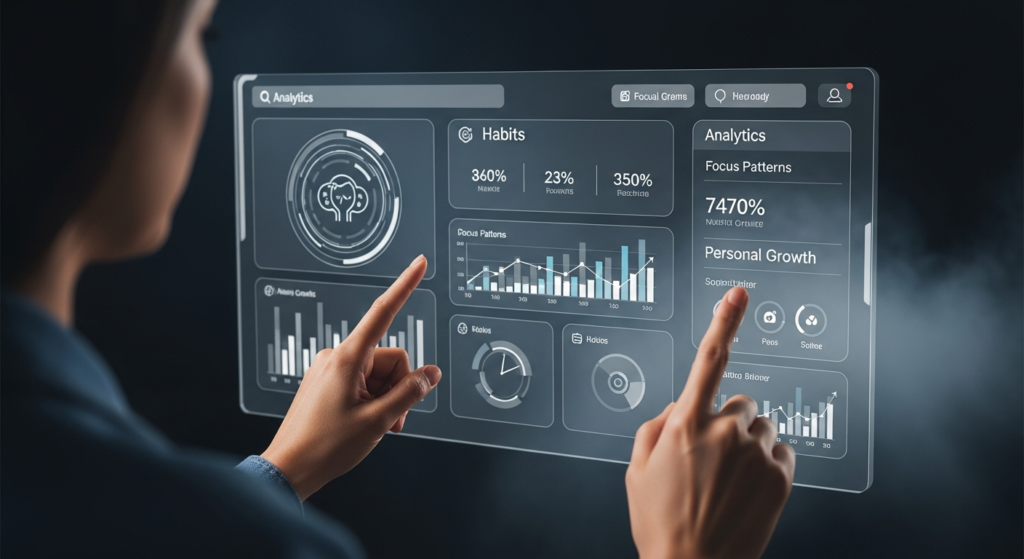
AI-driven adaptive learning platforms customize learning material based on the existing capabilities, interests and learning speed of a user. Through this focused strategy, learning is accelerated without making it uninteresting and ineffective. Regardless of the purpose of becoming a better person or becoming a better professional, AI makes sure that time spent on learning is as fruitful as possible to guarantee that users remain competitive and never stop improving.
The tips to utilize AI to the fullest.
Add one tool at a time and tailor it to the workflow. Periodically analyse AI findings to determine productivity and behavioral patterns. Combine human judgment, mentorship, or peer feedback with AI recommendations. Install new tools with new features and improvements. Optimize attention, productivity, and attitude with the help of AI but without excessively depending on technology, so it could serve as supplement rather than substitute for human abilities.
Conclusion
In 2026, AI will be a revolutionary element in terms of productivity and mindset stimulation. Automation, intelligent prioritisation, focus optimisation, behavioural understanding, and personalised learning enable people to perform more without losing cognitive clarity and strength. When properly introduced into everyday life, AI can make users work smarter, get motivated, and develop a growth-oriented mindset, which leads to a sustainable personal and professional success.
FAQs.
Q1: Will AI be able to substitute human decision-making?
A1: No, AI helps and it is more effective with human judgement.
Q2: Could AI be restricted to technology-wise users only?
A2: No, the modern AI tools are easy to use and can be accessed by all people.
Q3: How does AI improve mindset?
A3: AI monitors habits and provides mechanisms to support positive behaviours.
Q4: Do AI productivity tools have safety?
A4: Yes, the majority of platforms are based on encryption and accommodate privacy rules.
Q5: What is the speed within which AI can influence productivity?
A5: Within weeks, the little changes are observed; within months, the significant changes are noticed.