Heart disease, diabetes, obesity, and some types of cancer are some of the chronic diseases that have remained a major challenge to the healthcare system across the world. Subsequently, healthcare providers and health promotion agencies are beginning to adopt lifestyle medicine as a highly effective and evidence-based preventive and management strategy. It is an emerging area that focuses on sustainable behavioral change, which focuses on the underlying causes of the disease and not only on the symptoms.
What is Lifestyle Medicine?
Lifestyle medicine is a field of medicine that applies therapeutic lifestyle interventions as a modality of treatment for chronic diseases. It has six pillars as its focus:
- Dietary habits (whole-food, plant-based diets)
- Physical activity
- Stress management
- Sleep optimization
- Eschewing of dangerous substances.
- Social connection
By covering all these core pillars of health, lifestyle medicine will enable people to be in charge of their health and reduce the risk of getting diseases substantially.
Increased Shared Disease Burden.
The number of deaths caused by chronic diseases has reached close to 70 percent per year around the globe. Some of the main causes of this rising epidemic are sedentary living, processed foods, lack of sleep, and chronic stress. There is a growing burden on healthcare systems due to the costs and benefits of dealing with these preventable conditions in the long term.
According to experts, lifestyle changes can prevent up to 80 percent of cases of heart disease and type 2 diabetes (and almost one-third of cancers). This is why preventive measures that are based on daily practices are critically needed.
Lifestyle Medicine Prevention of Chronic Diseases.
Nutrition as a Foundation
High fruit, vegetable, whole grain, and legume diets are found to decrease inflammation, enhance metabolic fitness, and decrease the occurrence of cardiovascular diseases. The consumption of processed food and sugar should be minimized, as it is essential in preventing obesity and insulin resistance.
Physical Movement and Exercise.
Regular workouts can improve the health of the heart, build muscles, and make a person mentally better. Even a moderate level of physical activity, i.e., walking quickly for 30 minutes a day, can help to eliminate the risk of diseases considerably.
Stress Management and Mental Health.
Stress is associated with chronic stress, which leads to hypertension, a low immune system, and mental illness. Mindfulness, meditation, and yoga practice assist in the regulation of stress hormones as well as general resilience.
Sleep and Recovery
Hormonal balance and cognitive and immune functions cannot be achieved without enough sleep. Sleep disorders are associated with obesity, diabetes, and heart disease.
Community and Social Connections.
Good social relationships are correlated with higher life expectancy and decreased chances of depression and chronic diseases. Community support is crucial in maintaining healthy lifestyle changes.
Economic and Social Impact
Lifestyle medicine not only contributes to the health outcomes of individuals but also lowers the cost of healthcare. Preventive care also results in a great reduction in hospitalization, drug addiction, and treatment costs in the long run. The other benefits of a healthier workforce are higher productivity and lower absenteeism among employees.
Lifestyle-based interventions are seen to have cost-effectiveness and long-term benefits, and governments and healthcare institutions are now taking them into their national health policy.
Modern Healthcare Integration.

Lifestyle medicine is becoming commonplace in the clinical practices of healthcare providers. Physicians, nutritionists, and wellness coaches join forces and develop individual care plans.
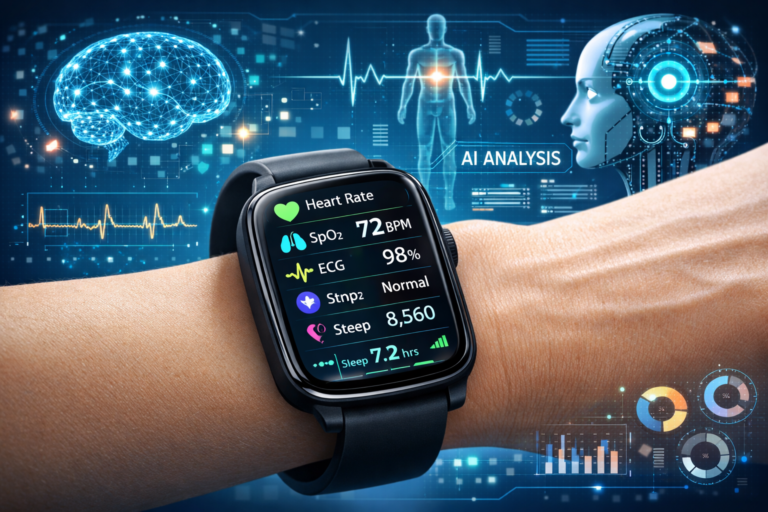
Digital health tools, mobile apps, and wearable devices also contribute to helping patients to monitor their progress and be accountable. This integration is a transition from reactive to proactive healthcare.
Obstacles and Prospects.
Although lifestyle medicine is proven to be beneficial, it has barriers like the lack of awareness, the absence of training in healthcare professionals, and the unwillingness to change behavior. Nevertheless, there is a high potential for expansion due to increased public interest in wellness and preventive care.
The barriers can be overcome through educational programs, policy support, and community-based programs that will help scale the effect of lifestyle medicine worldwide.
The Way Forward
With the ever-increasing rate of chronic diseases, lifestyle medicine is a viable and sustainable solution. By concentrating on prevention, people will be able to live healthier lives and put less load on the healthcare systems.
Healthcare leaders state that the future of medicine does not only lie in the high-level treatments but also in giving people the power to make healthy decisions daily.
Conclusion
Lifestyle medicine is the new trend that is quickly becoming a paradigm shift in the current healthcare systems, where the emphasis is more placed on prevention than treatment. It provides a viable, cheap, and long-term solution to the world’s health problems by dealing with the basic causes of chronic illnesses through sustainable lifestyles.
Healthier lifestyles (balanced nutrition, physical activity, sleep, stress management) can help not only decrease the risk of chronic diseases but also increase the general quality of life. With the ongoing rise in awareness, the implementation of lifestyle medicine in daily healthcare practice can become a source of a healthier population and a more sustainable future.
The Frequently Asked Questions (FAQs).
1. What are some of the conditions that lifestyle medicine aids in preventing?
Lifestyle medicine can prevent and treat heart disease, type 2 diabetes, obesity, high blood pressure, and some cancers.
2. Is lifestyle medicine scientifically demonstrated?
YES, as it is proven by considerable research that proves the efficiency of lifestyle interventions in both lowering the risks of disease and improving health outcomes.
3. What is the time frame of results?
It can be improved in a few weeks, but the long-lasting positive outcomes are conditioned by the regularity and the modification of lifestyle.
4. Is Lifestyle Medicine to substitute medications?
It may make medications unnecessary or decrease the dosage, although something should be changed under the supervision of medical care.
5. Who will be able to take advantage of lifestyle medicine?
All people, including the healthy ones who want to prevent it and those with the chronic condition who may be trying to manage it, can be found to benefit from taking the lifestyle-based practices.